bike helmet weigh 5 times more! Amazing results from a long-distance cycling neck fatigue test.

During long-distance cycling trips, people often focus on the bicycle itself—the lightweight frame, the smoothness of the shifting system, and the shock absorption of the saddle—while neglecting the bike helmet, a crucial piece of equipment that comes into direct contact with the body and is worn for extended periods. Especially for enthusiasts who cycle dozens or even hundreds of kilometers, does the weight of a bike helmet actually cause extra strain on the neck? This seemingly insignificant question actually hides a huge difference.
The Real Impact of Weight Differences in Bike Helmets
bike helmet on the market are vast, from ultralight road helmets weighing 200 grams to full-face mountain helmets weighing nearly 1000 grams—a difference of five times. Many beginners or urban commuters may hardly notice the weight difference for short distances, but for long-distance riders who maintain a consistent riding posture, the cumulative effect of the weight will gradually become apparent. The cervical spine relies primarily on neck muscles to maintain balance when supporting the head. The average adult head weighs between 4.5 and 5 kilograms; adding a heavy bike helmet significantly increases the pressure on the cervical spine. This pressure is amplified, especially when the riding posture is leaning forward.
bike helmet, a 70-kilogram rider had an average neck muscle fatigue score of 3, while a rider wearing an 850-gram helmet had a fatigue score that rose to 7. Fatigue not only manifests as muscle soreness but can also lead to stiffness in the head, tightness in the shoulders and neck, and even affect grip stability and reaction time. In other words, weight not only affects comfort but can also indirectly impact riding safety.

Neck strain and posture issues during long-distance cycling
Many cyclists overlook a crucial point on long journeys: posture and weight are interdependent. The heavier the helmet, the more the neck muscles need to exert continuous effort to maintain head balance, especially uphill or against the wind. The head is slightly raised to maintain visibility, shifting the center of gravity backward and doubling the pressure on the cervical spine. Lightweight helmets reduce the cumulative damage from this continuous strain, allowing riders to maintain a natural posture and clear vision even after hours.
Based on the experience of professional riders, bike helmets weighing over 400 grams are almost never chosen for long-distance races or training. Professional riders prefer lightweight models made of carbon fiber or composite materials, not only because they reduce fatigue, but also because lightweight materials usually have better aerodynamic design, which can reduce wind resistance and improve speed and stability. For amateur riders, although speed is not the only goal, reducing neck pressure and extending riding endurance are equally important upgrades to the experience.
Weight is not the only criterion: the importance of safety and balance
Of course, lightweight doesn’t mean everything. Some consumers mistakenly believe that the lighter the helmet, the better, ignoring the balance of the protective structure. The safety performance of a bike helmet mainly depends on the shell strength, the thickness of the cushioning layer, and the energy-absorbing design. Some extremely lightweight helmets may compromise on impact-resistant materials in order to reduce weight, which is not the best choice for everyday riding safety. The ideal helmet should find a balance between weight and protection, allowing riders to have a comfortable fit while receiving sufficient protection in an accident.
Bike helmet on the market today use a structure combining high-density EPS foam with a polycarbonate shell, ensuring both impact resistance and lightweight design. For long-distance riders, a helmet weighing between 250 and 350 grams is the ideal range for both comfort and safety. For mountain biking or off-road riding, a reinforced helmet weighing 400 to 500 grams is acceptable for better impact resistance and coverage.
Real-world experience and body feedback regarding neck fatigue
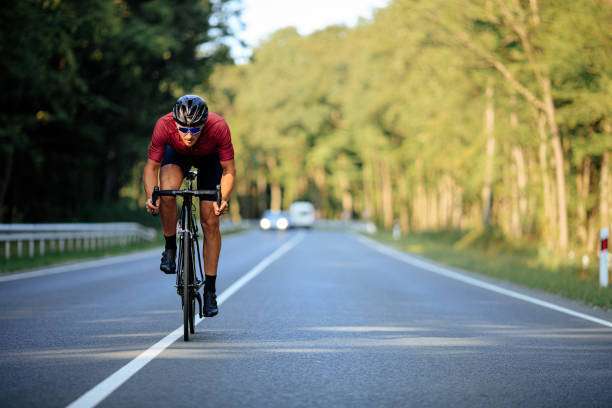
In a practical test, three riders wore different weights of bike helmets for a 100 km ride on the same route. The first rider used a 240g lightweight helmet, the second a 460g medium-weight helmet, and the third an 850g full-face helmet. The results showed that the first two riders could easily lift their heads and turn their necks after completing the ride, while the third rider experienced significant neck and shoulder tension and soreness. More notably, the heavy helmet forced the rider to frequently adjust their posture to alleviate muscle fatigue in the latter half of the ride, affecting overall rhythm and concentration.
This test demonstrates that helmet weight does indeed affect physical strain, especially during hours of continuous riding. Accumulated fatigue not only reduces comfort but also decreases alertness, thus increasing potential risks. Lightweight helmets have a natural advantage in maintaining alertness and reaction time.

How to choose the right helmet weight for yourself
A bike helmet should be based on your riding style, usage time, and personal physical condition. If you are an urban rider who commutes short distances daily, you can choose a medium-weight model as a compromise between comfort and protection; however, if you are keen on long-distance touring, mountain riding, or endurance challenges, a lightweight design will undoubtedly significantly improve your riding experience. When choosing, you should also consider the helmet’s balance and ventilation system, as an overly heavy or unevenly designed helmet will increase the stress on your cervical spine.
In addition, the fit of the bike helmet liner is also crucial. High-quality helmets use adjustable liners and ergonomic head shapes to effectively distribute weight and avoid localized pressure. It’s best to try it on for at least ten minutes before buying, testing stability by turning your head left and right and slightly tilting your head down. If you experience wobbling or a feeling of pressure, even if it’s lightweight, it’s not recommended to buy it.
Conclusion
Long-distance cycling is a battle against the limits of human endurance, and while the weight of a bike helmet may seem insignificant, it can be a key factor in determining comfort and fatigue. Real-world testing and data analysis conclude that, while ensuring safety, the lighter the bike helmet, the better the riding experience. It reduces neck pressure, allows for better concentration, and makes the entire journey more comfortable and smooth.