Bike Helmet Selection Guide: 3 Must-Have Helmets for Senior Cyclists that Offer Both Comfort and Safety!

For senior cyclists, choosing a comfortable and safe bike helmet is especially important. With improved living standards, more and more seniors are taking up cycling. Whether for health or simply to enjoy the pleasure of cycling, senior cyclists recognize it as an exercise that keeps them active and healthy. However, cycling safety, especially head protection, is one of the most pressing concerns for seniors. A suitable bike helmet can effectively reduce injuries from collisions and improve comfort and overall riding experience.
When choosing a bike helmet, older cyclists often face different needs and considerations. How to select a bike helmet that meets the needs of seniors, ensuring sufficient safety while providing a comfortable fit, has become a key issue. This article will provide a detailed bike helmet selection guide for older cyclists , introducing suitable bike helmets for seniors and answering questions about various aspects to consider when making a selection.
Why do older cyclists need to choose a special bike helmet?
For older cyclists, a bike helmet is not only essential for safety but also crucial for enhancing the riding experience. As people age, various bodily functions decline, including balance and reaction time, increasing the risk of accidents while cycling. Therefore, older adults must pay closer attention to the following aspects when choosing a bike helmet :
1. Comfort of bike helmet
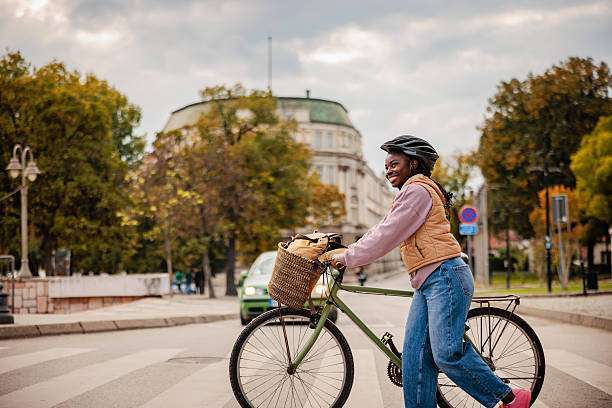
Older adults often experience fatigue while cycling, making comfort a crucial factor for them when choosing a helmet. Wearing a helmet for extended periods without proper ventilation and comfort can lead to head discomfort and negatively impact the cycling experience. A comfortable liner and a well-designed adjustment system allow cyclists to wear the helmet for longer periods without feeling pressured.
2. Safety
As people age, their bones and skin become more fragile, making them more susceptible to serious injuries from falls or collisions. Head protection is especially important; therefore, choosing a helmet with high impact resistance and good stability can effectively reduce injuries in accidents.
3. Stability and fit
For older adults wearing bike helmets , stability is another crucial factor. The helmet must fit snugly against the head to prevent slippage or shifting during riding. Helmets with adjustment systems can be fine-tuned to fit the rider’s head shape, ensuring optimal protection in the event of a collision.
Key factors for choosing a bike helmet for senior cyclists
a bike helmet for elderly cyclists , in addition to comfort and safety, several other important factors need to be considered. These factors not only affect the helmet’s protective effect but also directly determine the wearing experience.
1. Safety standard certification
purchasing a bike helmet , it is crucial to ensure that it meets relevant safety standards and certifications. Different countries and regions have different helmet certification standards, the most common including CE certification in Europe and CPSC certification in the United States. Helmets that have passed these certifications ensure that their impact resistance and protective performance meet safety requirements.
For older adults, choosing a certified bike helmet is more reliable. Certification standards have stringent testing requirements; the helmet not only needs good impact resistance but also must pass a series of tests for puncture resistance and drop resistance to ensure it effectively protects the head.
2. Ventilation design
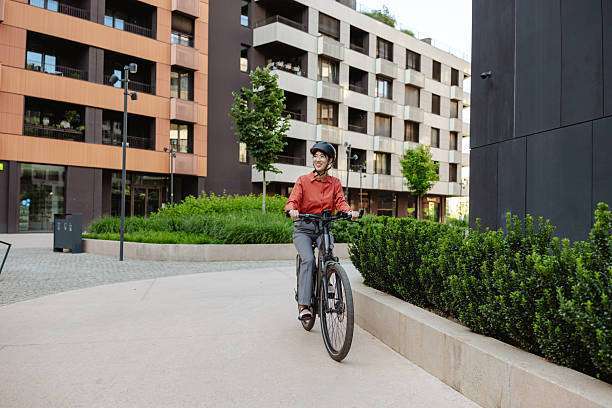
helmets for extended periods while cycling, making ventilation crucial. A well-ventilated helmet effectively wicks away sweat, keeping the head dry and preventing stuffiness and discomfort.
Lightweight and breathable bike helmets are especially suitable for older riders in hot weather. The ventilation holes increase airflow, helping older riders stay cool and comfortable, and preventing dizziness or discomfort caused by overheating.
3. fastening system
older cyclists wear bike helmets , it’s crucial to ensure the helmet is secure and doesn’t slip during riding. Many high-quality helmets come equipped with adjustment systems and straps that allow for a more comfortable fit by adjusting the helmet’s tightness to fit different head shapes.
The adjustment system helps older cyclists find the most suitable wearing position, preventing the bike helmet from becoming loose or shifting, thus ensuring that the helmet can still effectively protect the head in the event of a fall or collision.

4. Weight of the bike helmet
While lightweight helmets are more popular among cyclists, helmet weight is a significant factor for older cyclists. An overly heavy helmet can increase the burden on older adults, causing discomfort and even neck or shoulder fatigue. Therefore, lightweight helmet designs are more suitable for older cyclists.
Lightweight helmets not only reduce pressure on the head but also allow older cyclists to ride more flexibly and comfortably. Modern lightweight helmets use high-strength, lightweight materials, ensuring safety while reducing weight and making the riding experience more comfortable.
bike helmets for elderly cyclists
For older cyclists, choosing a helmet that is both safe and comfortable is the most important protection during a ride. Whether for a comfortable wearing experience or to ensure safety while riding, older cyclists need to pay attention to key factors such as appropriate safety certifications, comfort, ventilation design, and fastening system when purchasing a bike helmet .