bike helmets willingly? 3 effective methods to change their resistance.

of children wearing bicycle helmets
For many parents, getting their children to wear bike helmets is almost a daily challenge. Children often complain that helmets are uncomfortable, too hot, or affect their hairstyles, and some even refuse to wear them because of appearance.
However, the importance of helmets for children’s cycling safety cannot be ignored. Children’s heads are not fully developed, and their skulls are relatively fragile; even a small fall or collision can cause serious injury.
Scientific research shows that wearing a qualified bike helmet can significantly reduce the risk of head injuries in children’s cycling accidents.
The core issue facing parents is not only safety awareness education, but also how to overcome their children’s psychological resistance. Understanding children’s psychological characteristics and wearing habits, and adopting effective strategies to help children move from resistance to active acceptance of bike helmets, is key to ensuring cycling safety.
This article will analyze in depth how to get children to wear bike helmets from both psychological and practical perspectives, and will use three effective methods to change their resistance and achieve a balance between safe and enjoyable cycling.
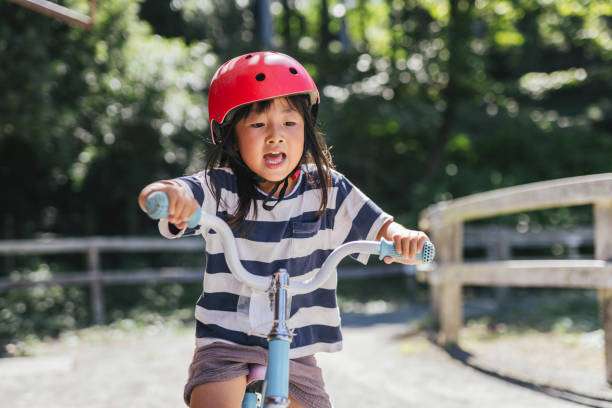
a bike helmet that combines attractiveness and comfort.
The most direct reasons children refuse to wear helmets are often appearance and comfort. Unlike adults, children are very sensitive to color, shape, and texture.
When purchasing helmets, parents need to consider not only protective performance but also attractiveness and comfort. Choosing helmets with bright colors or cartoon patterns can psychologically generate interest in wearing them, thereby reducing resistance.
Comfort is equally crucial. Children’s heads are still developing, and their head circumference changes rapidly. If a bike helmet is too heavy, has a stiff liner, or a poorly designed strap, it can easily cause pressure and discomfort, further exacerbating resistance.
Modern children’s helmets typically feature adjustable liners, lightweight shells, and soft, energy-absorbing foam, which not only improves comfort but also ensures a secure fit.
In practice, involving children in the bike helmet selection process, letting them try on different models, and adjusting the tightness and position themselves not only increases their sense of participation but also fosters a positive experience of wearing a helmet.
By choosing helmets that balance appeal and comfort, children are more likely to willingly wear them. Parents need to understand that a helmet is not only safety equipment, but also a riding companion that can spark a child’s interest. A good appearance and comfortable experience are the first steps to changing any initial resistance.
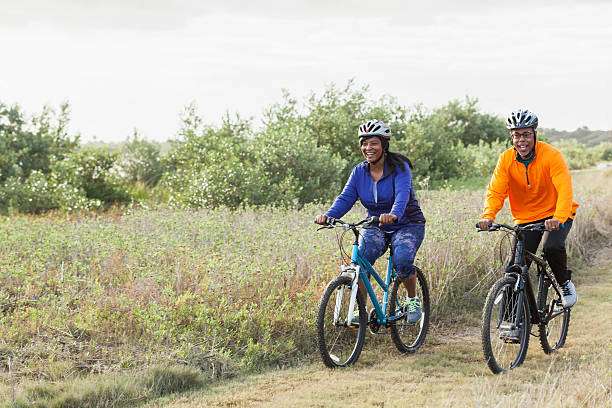
II. Establish positive role models and reward mechanisms
Children’s behavior is often influenced by observational learning and immediate feedback. Parents can set a positive example by showing their children that wearing a bike helmet is not only safe but also natural.
Specifically, parents should always wear a helmet while riding, demonstrating the habit and significance of helmet use. Children will imitate this behavior through observation, viewing wearing a bike helmet as a daily habit rather than a mandatory requirement.
Furthermore, a reasonable reward system can enhance a child’s motivation. Rewards should not be limited to material things, but can include verbal praise, stickers, extra riding time, or the right to choose riding routes.
Through positive reinforcement, children will gradually associate wearing a helmet with a pleasant experience, reducing psychological resistance. The reward system should also be gradually adjusted as the child grows older, allowing them to experience self-management and a sense of accomplishment, rather than simply relying on external rewards.
Combining positive role models with reward mechanisms can subtly cultivate children’s wearing habits, transforming helmet use from a “must” to a “voluntary” practice, thus forming a long-term and effective safety behavior pattern.
III. Combining Education with Gamified Experiences
Children have limited understanding of abstract safety concepts, so simply explaining the importance of helmets verbally is often ineffective. Combining safety education with gamified experiences is an effective way to overcome children’s resistance.
For example, through cycling simulations, role-playing, or fun tasks, children can personally experience the protective role of helmets. Parents can set up safe tracks or small obstacle courses for children to complete while wearing helmets, experiencing the safety and enjoyment that helmets provide.
The core of gamified education is to encourage children’s active participation and provide positive feedback through experience.
In this way, helmets are no longer a burden imposed by parents, but rather an integral part of the cycling activity, even becoming “victory gear.” Combining the principles of child psychological development, the educational content should be simple, easy to understand, intuitive, and appropriately repetitive, allowing safety awareness to subtly become an internalized habit.
Combining education with gamification not only increases children’s initiative in wearing helmets but also cultivates their risk awareness and self-protection abilities.
This psychological shift is a key factor in making children willing to wear helmets long-term.
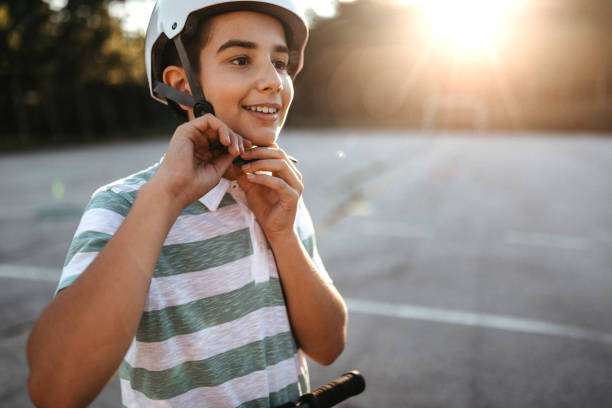
IV. The Importance of Psychological Resistance and Patient Guidance
In practice, children’s resistance to bike helmets is often related to their sense of autonomy and comfort.
Parents need to be patient and guide their children gradually, rather than resorting to simple commands or punishments. Excessive coercion may trigger rebellious behavior and backfire.
The ideal approach is to integrate helmet wearing into daily life, allowing children to adapt slowly in a natural environment and gradually develop a stable habit of wearing it.
Psychological research shows that children’s resistance decreases significantly when they feel a sense of choice and control.
Therefore, parents should give children choices during the guidance process, such as colors, patterns, or the order in which they wear the clothes, to enhance their sense of autonomy and participation.
At the same time, by reinforcing the behavior through positive feedback, praise, and fun activities, children will shift from “forced wearing” to “voluntary wearing,” achieving long-term habit stability.
Patient guidance not only helps establish the habit of wearing helmets, but also cultivates children’s sense of rules, self-management ability and safety awareness, laying the foundation for independent riding in the future.
V. The Role of Long-Term Commitment and Family Culture
Getting children to wear bike helmets isn’t something that happens overnight; it requires long-term commitment and a supportive family culture.
Consistency and exemplary safety habits among family members have a profound impact on a child’s psychology and behavior. If the whole family consistently wears bike helmets while cycling, the child will take it for granted.
Building a family culture involves more than just helmet use; it also includes passing on cycling safety rules, traffic awareness, and a sense of responsibility.
Long-term commitment also extends to the routine inspection and maintenance of bike helmets.
Helmets that are comfortable, clean, and in good condition are more likely to be accepted by children. Parents should regularly check the tightness of the bike helmet, the cleanliness of the lining, and the condition of the outer shell to ensure it is in optimal condition for every ride.
This routine maintenance and consistent demonstration will strengthen children’s identification with and willingness to wear helmets.
Through a combination of family culture and long-term commitment, children’s helmet-wearing gradually transforms from a passive behavior into a habitual one, safety awareness is internalized, and the risks of riding are significantly reduced.
Conclusion: Make wearing a bike helmet a spontaneous habit for children.
Getting children to willingly wear bike helmets requires a comprehensive consideration of helmet selection, psychological motivation, and educational methods.
- The first step is to choose an attractive and comfortable bike helmet, encouraging children to actively try it on and adjust it.
- The second step is to establish positive role models and a reward system to enhance their motivation.
- The third step is to combine safety education with gamified experiences, allowing children to experience the value of helmets in practice.
Patient guidance and long-term family support will ensure that helmet wearing becomes a long-term habit.
Through these strategies, bike helmets have transformed from safety equipment into a natural part of children’s cycling activities, eliminating psychological resistance and encouraging voluntary wearing.
Scientific guidance not only protects children’s heads but also cultivates their self-protection awareness and good cycling habits, laying a solid foundation for independent and safe cycling in the future.
FAQ (Frequently Asked Questions)
Question 1: My child always complains about the helmet being too hot. What should I do?
Choose a helmet with good breathability and a reasonable ventilation design. Also, consider lightweight EPS foam and a removable, washable liner to ensure comfort. For short rides, let your child gradually get used to wearing it for longer periods.
Question 2: My child doesn’t like the color and design of the bike helmet. Is there a way?
Involve the child in the bike helmet selection process, allowing them to choose their favorite color, pattern, or cartoon design, thus increasing their autonomy and interest and reducing their psychological resistance.
Question 3: My child always argues about not wearing a bike helmet. How can I handle this situation?
Instead of resorting to force or punishment, I can use positive role models, reward systems, and gamified cycling education to let my child experience the safety and fun of wearing a bike helmet and gradually develop the habit of wearing it voluntarily.